What Scouts Gave on the Home Front
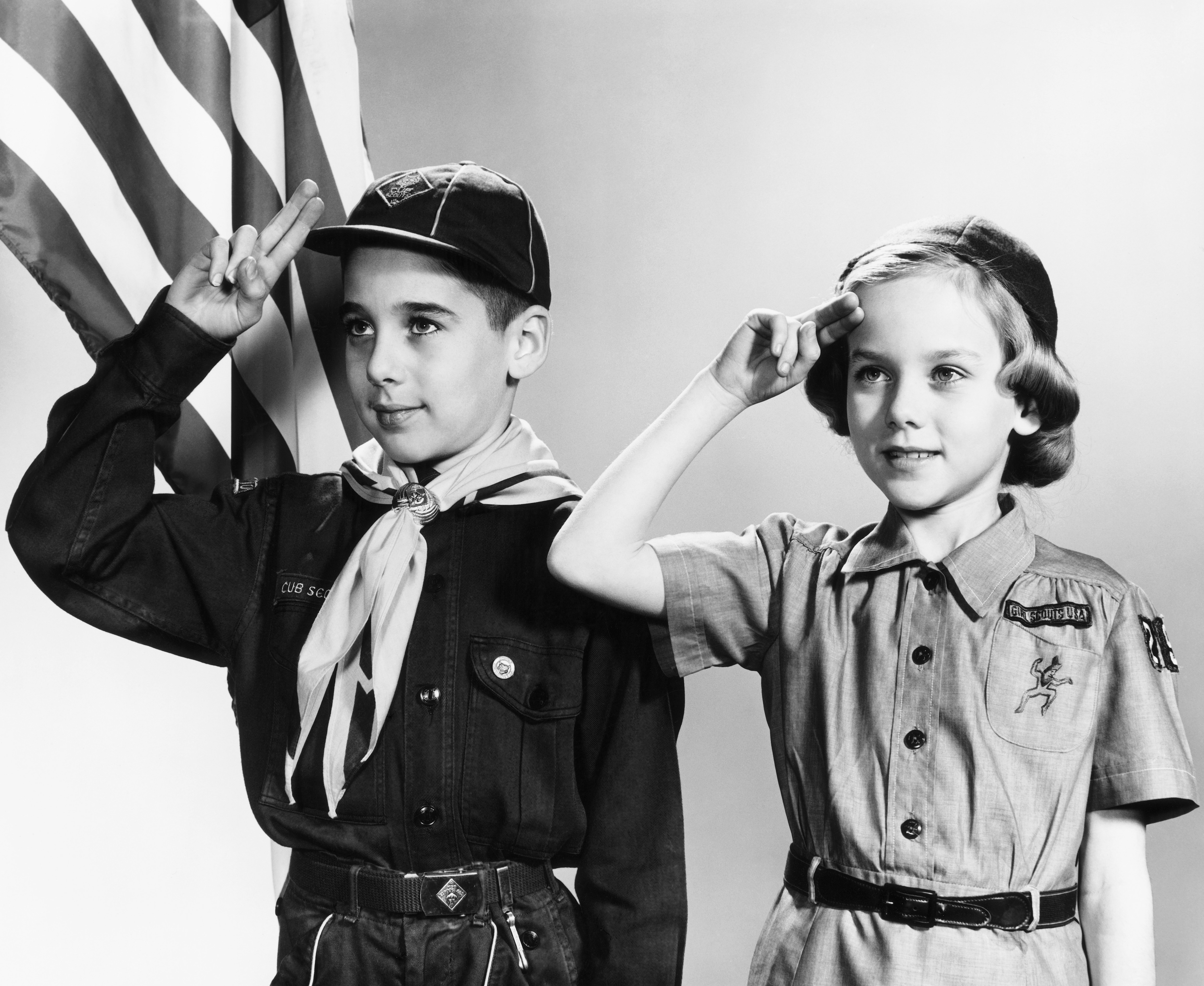
Long before most of them were old enough to serve, America's young people found their own way to contribute. In the early 1940s, Boy Scouts and Girl Scouts across the country threw themselves into the home front effort—going door to door, organizing drives, and rallying their communities around a shared purpose.
It started with aluminum. In the summer of 1941, New York City Mayor Fiorello La Guardia, serving as Director of Civilian Defense, asked the Boy Scouts to help collect scrap aluminum for the national effort. They responded immediately. By the time President Franklin Roosevelt wrote a letter to both Boy Scouts and Girl Scouts in 1942 urging their participation in the formal "Salvage for Victory" program, the Scouts had already been at it for a year.
Everything But the Kitchen Sink — And Sometimes That Too
The drives became a full community effort. Pots and pans, farm equipment, tin foil, and children's metal toys all went into the pile. Girl Scouts collected scrap rubber, old furs, silk hosiery, and cooking fat—materials that served purposes most people wouldn't have imagined. Boy Scouts went house to house gathering aluminum and other metals.
From 1941 to 1945, Boy Scouts alone collected more than 210,000 tons of scrap aluminum and other metals. Girl Scouts collected more than 1.5 million items of clothing for those displaced by the conflict overseas.
Towns competed against each other to see who could collect the most. Counties challenged counties. States challenged states. Neighbors kept score, cheered each other on, and gave what they had.
More Than Scrap
The drives mattered for what they produced, but they mattered just as much for what they meant—that everyone had a role, and everyone could contribute. Young people going door to door sent a message that transcended the material: this was a country pulling together, and no one was too young to be part of it.
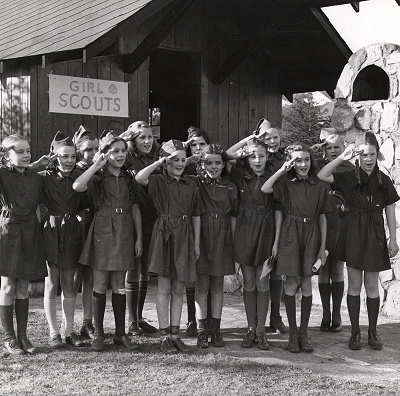
The Paper Troopers program gave schoolchildren arm patches and certificates for collecting certain amounts of scrap paper—deliberately named to echo 'paratroopers,' so every kid felt like part of something bigger than themselves.
A Spirit That Endures
Americans have never stopped finding ways to show up for each other and for those who serve. The tools change—care packages replace scrap drives, scholarship funds replace tin foil collection—but the instinct behind them is the same one that sent a generation of kids door to door in the 1940s.
Giving what you have and doing what you can—that's always been the American way.