The Schools That Generosity Built and Communities Owned
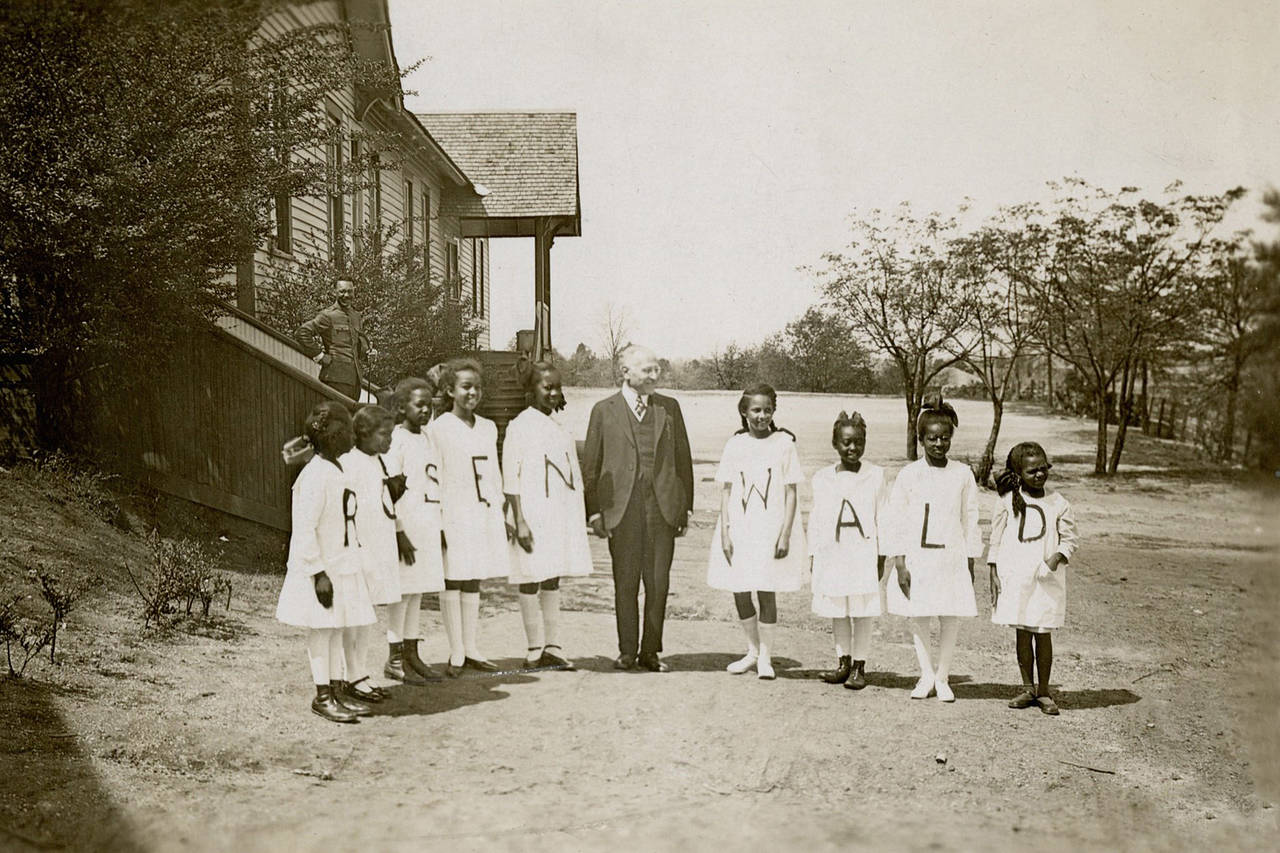
In 1912, Black children across the rural South were learning in churches, homes and open fields. States and municipalities funded school buildings for white students—utilities, cleaning, transportation—and provided almost nothing for Black students. The gap wasn't accidental; it was policy. Julius Rosenwald was determined to use his fortune to change this reality.
A Jewish American who had witnessed the persecution of Jews in Europe, Rosenwald saw a direct parallel in the discrimination Black Americans faced at home and felt a personal obligation to act.
A Partnership That Changed the South
Rosenwald's path to the schoolhouse ran through Booker T. Washington, leader and president of the Tuskegee Institute in Alabama. The two men shared a conviction: that every child's education was a public responsibility, not a privilege.
In 1912, they partnered to build six schools for Black children in rural Alabama. Washington documented the results carefully. The evidence was compelling enough that Rosenwald created a dedicated fund in 1917 to scale the effort across the South.
A Model Built to Last
Rosenwald wanted communities to own what they built, so the Fund was structured to make that possible. The communities contributed money, land, and labor, ensuring that what was built would truly belong to the people it served.
The Fund provided roughly 15% of the total cost of each school—enough to catalyze investment from all sides, but deliberately structured so that communities, not outside donors, held ownership.
It worked. The matching funds model turned private generosity into public commitment, making education for Black children a standard that states and towns were expected to meet.
More Than Four Walls
When the program ended in 1932, it had helped construct 4,977 schools, 217 teachers' homes, and 163 shop buildings across 15 states, serving 663,615 students. By 1928, one in five Black schools in the South was a Rosenwald school.
The legacy of the Rosenwald Fund endures beyond the buildings. It demonstrated that targeted giving, structured to require public commitment, could shift what communities and their governments were prepared to do for their own citizens. That model remains one of the most powerful ideas in American civic life.