Turning a Community’s Differences into its Superpower
Lessons from a community foundation’s quarter-century of work in Iowa’s surprising diversity.
The immigrants, mostly from Mexico, arrived at the elementary school four nights a week. Some came to learn English, others to earn high-school equivalency credentials. But first, they went to the cafeteria for a dinner prepared by their fellow residents of Cascade, Iowa, a predominantly white town settled by Irish and German immigrants in the 1800s. New arrivals broke bread with longtime Iowans, and Cascade families watched over students’ children during classes.
“It’s such a beautiful story,” says Nancy Van Milligen, founding President and CEO of the Community Foundation of Greater Dubuque.
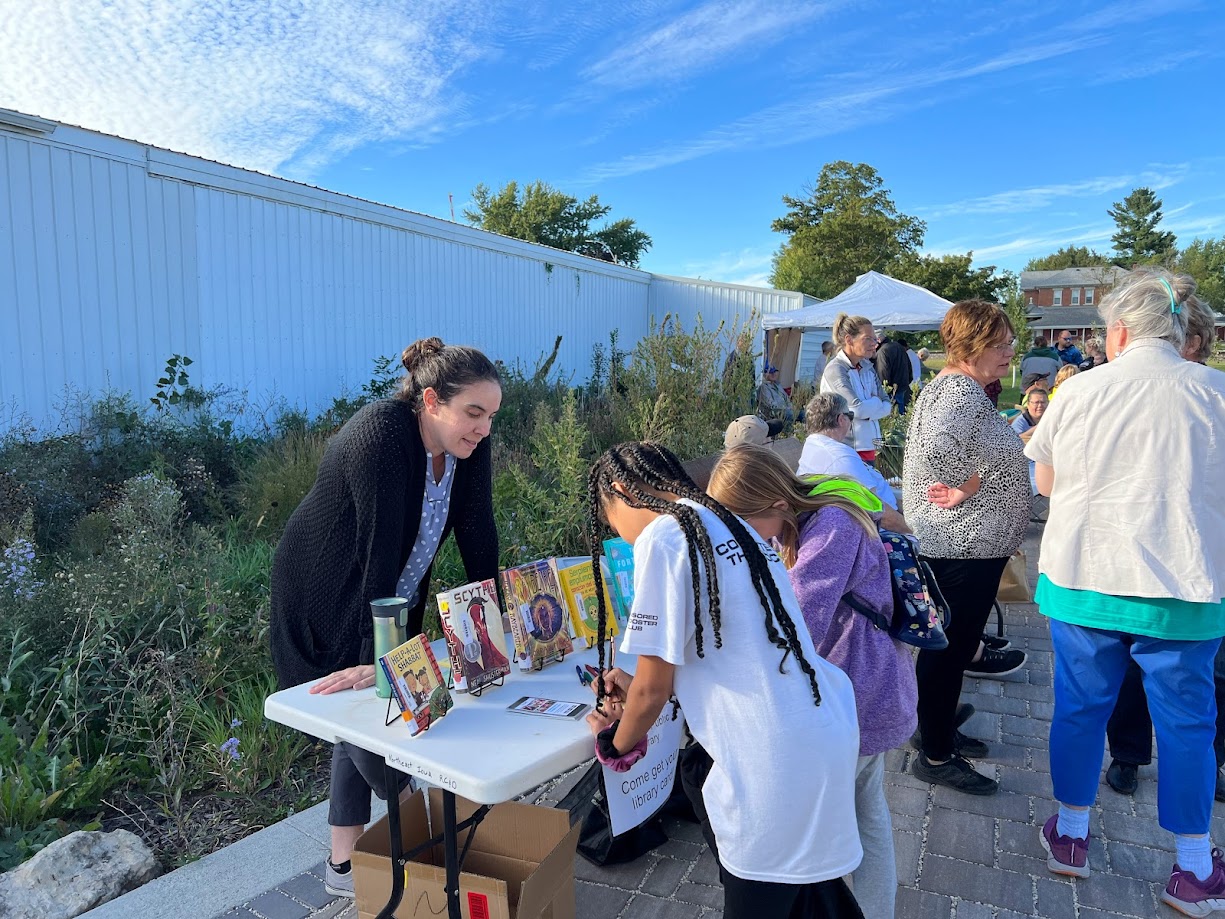
This connection between the state’s latest newcomers and descendants of earlier immigrants is one of many that the foundation has helped forge. Since opening in 2003, the grantmaker has embraced a broad view of philanthropy. Acting as a rural development hub, it works across its seven-county area to help 200,000 residents shape the future of their communities. Results abound — new libraries, pools, public art, and more — but the foundation points to an important by-product: stronger communities and connections among people from all walks of life.
3,300 Ideas for Change
Such a mindset took hold after the foundation opened in 2003. It blanketed Dubuque County with booklets asking residents for their best ideas for the county’s future. Bridge clubs, church groups, bowling teams, and others brainstormed, resulting in more than 3,300 ideas. After that list was whittled down, nine became reality, including a new health center and renovation of a century-old library.
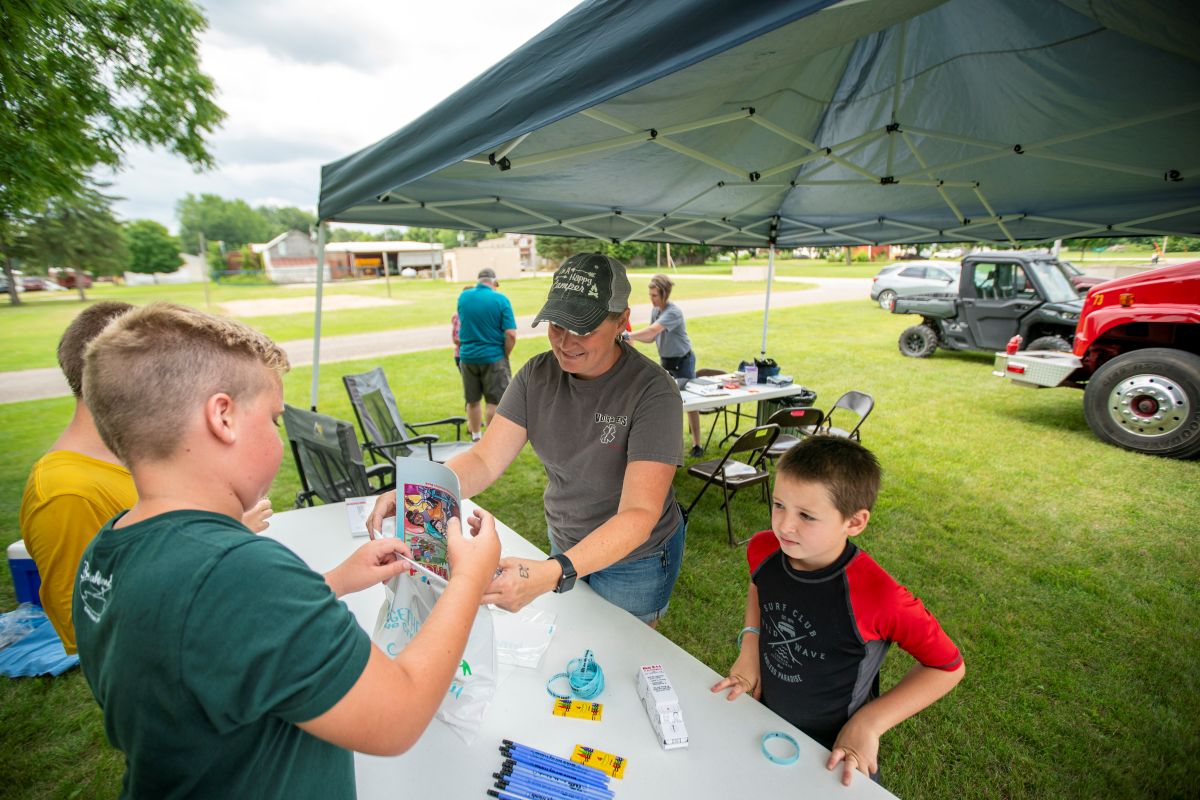
Today, with its expanded footprint to neighboring counties, Dubuque is a pioneer among community foundations working to build civic strength and bring people together from all walks of life. With backing from the Press Forward national initiative, the foundation is funding reporters and interns through Report for America and publishing health, legal, and safety information for the region’s growing immigrant population.
The Trust for Civic Life, a collaborative of national funders, has made Dubuque one of its Civic Hubs to strengthen rural civic life and help residents build the capacity to solve problems together. And its Small-Town Dreams Initiative is helping communities build endowments to provide steady revenue for local and regional improvements.
“This sort of civic strength-building is well-suited to community foundations,” says Jason Neises, a community development officer at the foundation. “We don't parachute into a community to work and then never show up again. We have long-term relationships built on trusted partnerships.”
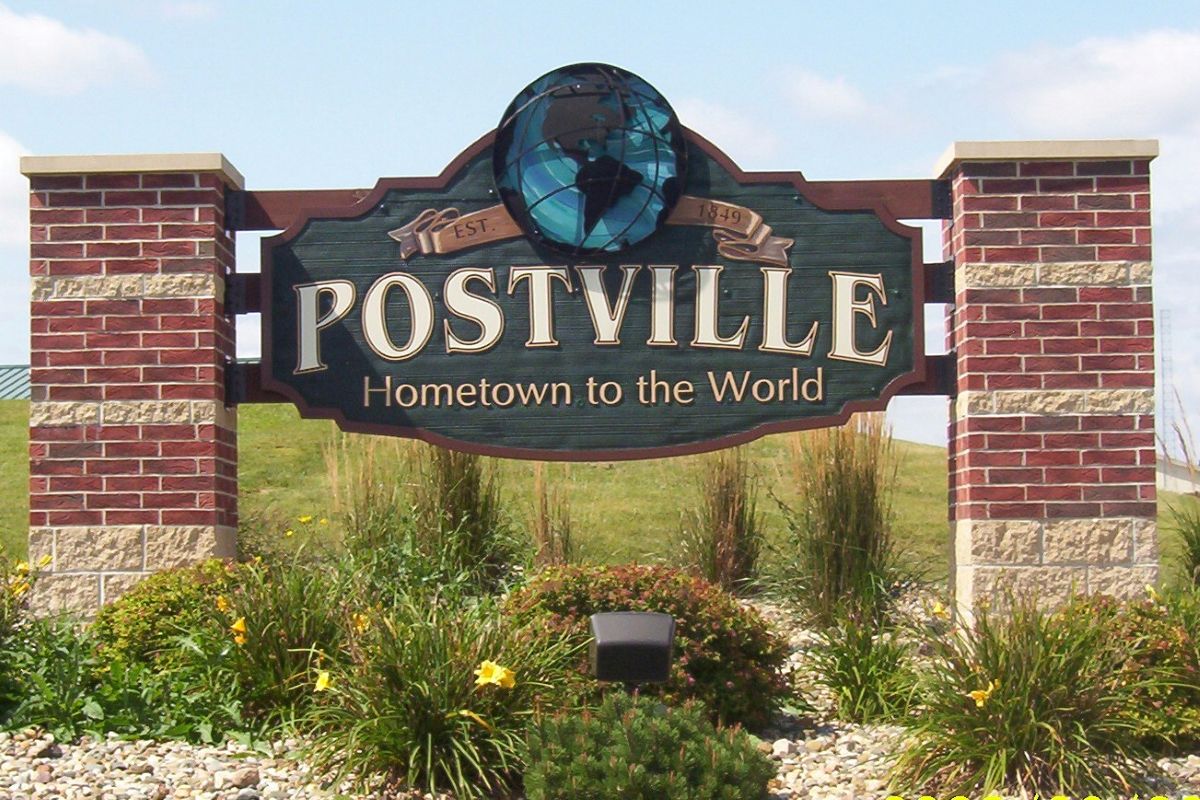
‘Hometown to the World’
In each effort, the foundation first seeks the voice and contributions of people who aren’t typically tapped for civic planning. In Postville, where a kosher-meat-packing plant has attracted a diverse workforce, it recruited from the area’s Hispanic, Somali, Ukrainian, and Jewish communities — an unusual demographic mix in predominantly white Iowa.
In the foundation’s first Postville meetings, residents bonded as they told stories about what they loved about the community. Over the next two years, the group developed a blueprint for change that included new community events, increased support for local medical clinics and businesses, and the cleanup of derelict properties.
The plan also doubled down on the town motto — “Hometown to the World” — with new efforts to connect immigrants to community life. It calls for a newcomer welcoming committee, ESL classes, and help to secure citizenship and permanent residence.
What has emerged is a new, self-sustaining civic infrastructure built on trust, Van Milligen says. An early sign of this: Residents quickly rallied this summer to help some families whose livelihoods were threatened when fire destroyed much of the meat-packing plant. The foundation set up a support fund, and locals stepped up to provide food and rent. The goal: help the workers stay in Postville rather than seek jobs elsewhere. The plant recently rehired 400 of its 600 workers as it rebuilds.
Van Milligen is retiring this fall, but the foundation’s community-building work will continue. Over time, however, Cascade, Postville, and other towns won’t need the grantmaker.
“We are helping to build strong communities that can solve their own problems,” she says. “Instead of waiting for the government to come in and save the day or some big employer coming to town, they will come together and build the future for themselves.”