When Foundations Listen First and Act Second
Black Hills Area Community Foundation turns curiosity into action by listening to community needs and creating programs that extend beyond the impact of any single grant.
Every summer, when school lunches stop for the season, nonprofits in Rapid City, South Dakota, run meal sites for kids under 18. Parents and guardians bring their children, sit with them while they eat, and go home hungry.
Staff at the Black Hills Area Community Foundation (BHACF) heard about this issue from nonprofit leaders, and it became the seed of something bigger than a grant.
"Our team felt that if the guardians and parents were fed too, that would increase the number of children being fed," says Nicole Schlabach, strategic communications director at BHACF. "The whole family is experiencing a need, not just the child who comes in – feed the parent or guardian, and you end up feeding more kids, too."
Partnering with three local nonprofits and the Rapid City school system, BHACF now grants annual funding to cover adult meals alongside the children's program.
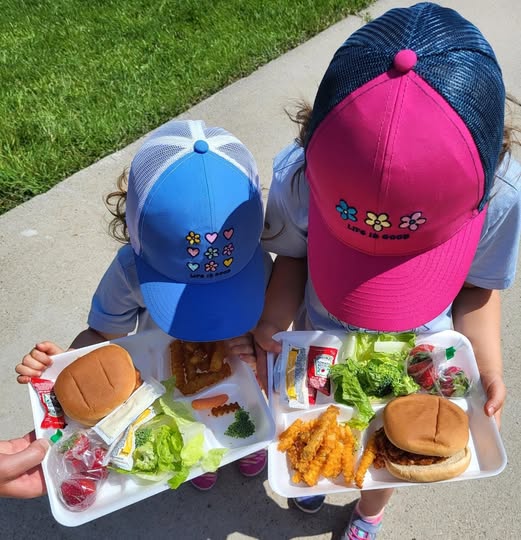
BHACF's expanded lunch program served more than 15,000 meals last year – over 11,000 for kids under 18 and over 4,500 for the kids’ guardians.
The program captures a pattern in how BHACF has worked since its founding in 2006: notice a gap, listen to what's needed, then act. Done in partnership with the community, that pattern reaches further than any single grant could on its own.
Listening as Strategy
The pattern expanded into a permanent program entirely focused on hearing from Black Hills residents. In 2023, BHACF's team attended the Council on Foundations' Leading Locally conference, where they heard a question that stuck with them: What does it mean to be a community's foundation?
"We exist to listen and respond to our community’s needs,” Schlabach says. “So how can we encourage more conversation with our community, and keep a pulse on emerging needs?
This question also led to Thriving Communities, a 2024 program that puts funding decisions directly in residents' hands. Each year, BHACF surveys residents across its seven-county region in South Dakota, asking people to vote on which local causes need investment.
Those investments grew into a full-fledged initiative: the Beautiful Black Hills Initiative now invests annual grants in outdoor spaces and connects people to the outdoors.
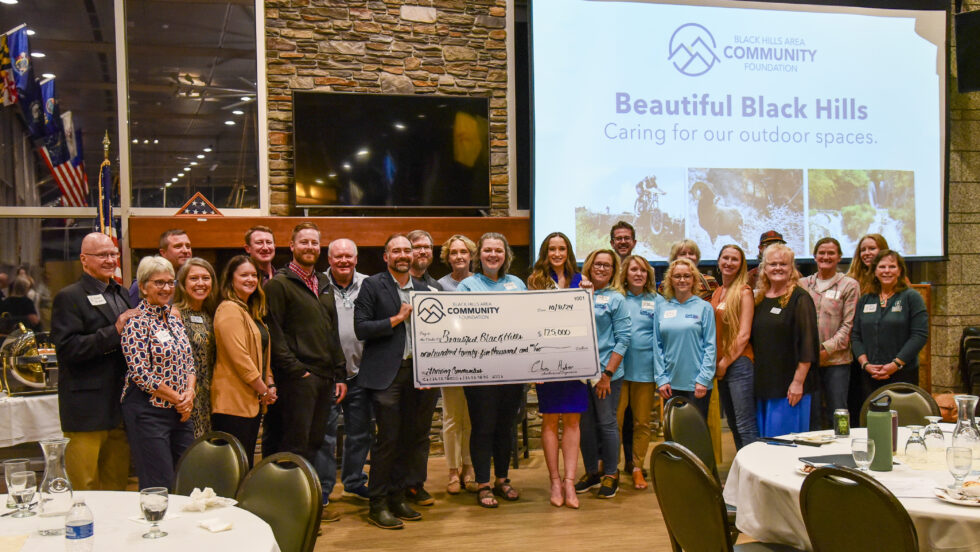
In 2024, more than 600 residents voted for "Beautiful Black Hills"; BHACF responded with $125,000 to 10 nonprofits caring for trails and outdoor spaces.
BHACF is now extending its Thriving Communities Initiatives to two years, with the second year focused on bringing community members together to connect and learn.
The same collaborative practice also shapes BHACF's grant process. Carrie Robley, director of community impact, maintains an open-door approach that pushes nonprofits to share not just what worked, but what didn't.
"I want every nonprofit to feel that they can apply for a grant and not feel intimidated by the process, whether they have a grant writer on staff or not," Robley says.
Collaborating to Meet the Moment
That openness helps shape BHACF’s partnerships. Last spring, when nonprofits across the region began straining against rising costs, shifting federal support, and growing demand, BHACF started by gathering more information. They partnered with the John T. Vucurevich Foundation, a private foundation based in Rapid City, to send out a joint survey and hear directly from nonprofits about what they were facing.
"Our community foundation is structured, by design, to maximize support of our nonprofit community through resources, connections, and expertise," says Chris Huber, BHACF president and CEO.
The two foundations turned that feedback into a new temporary fund, with additional support from the Bush Foundation, that offered short-term bridge funding to help nonprofits navigate federal changes, including support for strategic planning, staff retention, and direct services. Those grants helped food pantries remain stocked, kept services available for child advocacy, and maintained services for survivors of domestic violence.
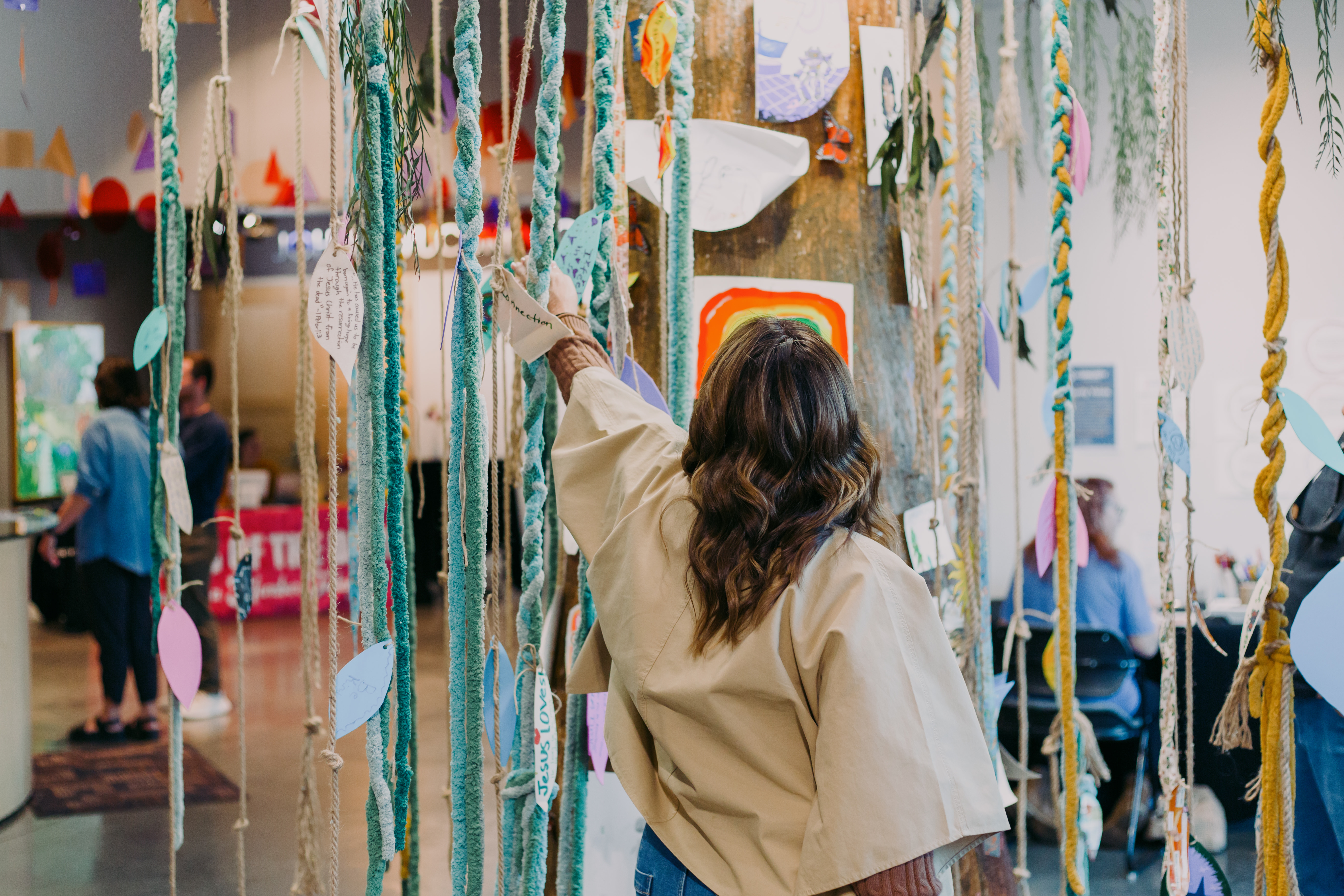
In 2025, residents chose youth mental wellness; BHACF invested $145,000 in mental awareness and wellbeing initiatives, including a public art installation, the Inside Out Tree with the Rapid City Arts Council, designed to reduce stigma around the issue.
“Asking questions, staying open to new collaborations, allows us to meet the moment more effectively than we otherwise would – especially during challenging times,” Schlabach said.
That's the pattern binding everything BHACF does: notice, listen, then act – one meal, one vote, one partnership at a time.