Pennsylvania Community Foundations: How Our Differences Give Us Clout
Rural, urban, and suburban grantmakers join forces and become a powerful advocacy voice in Pennsylvania.
Forest County, a rugged, mountainous area in northwest Pennsylvania, wrestles with intergenerational poverty, a declining population, and other issues common in rural America. Bridge Builders Community Foundations tackles these challenges alongside residents, but with only $200,000 in unrestricted endowment funds, its impact is limited.
Facilitating Collaboration Across Differences
Thanks to an unusual collaboration among Pennsylvania community grantmakers the foundation’s endowment is now poised to get a major infusion of cash. Despite being separated by hundreds of miles and meaningful cultural differences, nearly 40 foundations are joining forces to win policy victories. Most recently, this collaboration resulted in state lawmakers passing a bill directing the estates of individuals who die without a will and family to community foundations instead of the state.
The impact is substantial. Under the new law, Bridge Builders expects to receive the proceeds of an estate worth some $170,000, nearly double its unrestricted endowment. Statewide, community foundations say $10 million is already headed their way, only months after the legislation passed.
This windfall is just one benefit of the new coalition. Foundation leaders from big-city foundations and their counterparts at smaller, rural organizations are finding common ground and discovering how their differences can make for strengths in advocacy.
“We’re all facing the same issues, just at different scales. That overlap is much greater than I ever anticipated.” Trenton Moulin, Building Bridges President and CEO
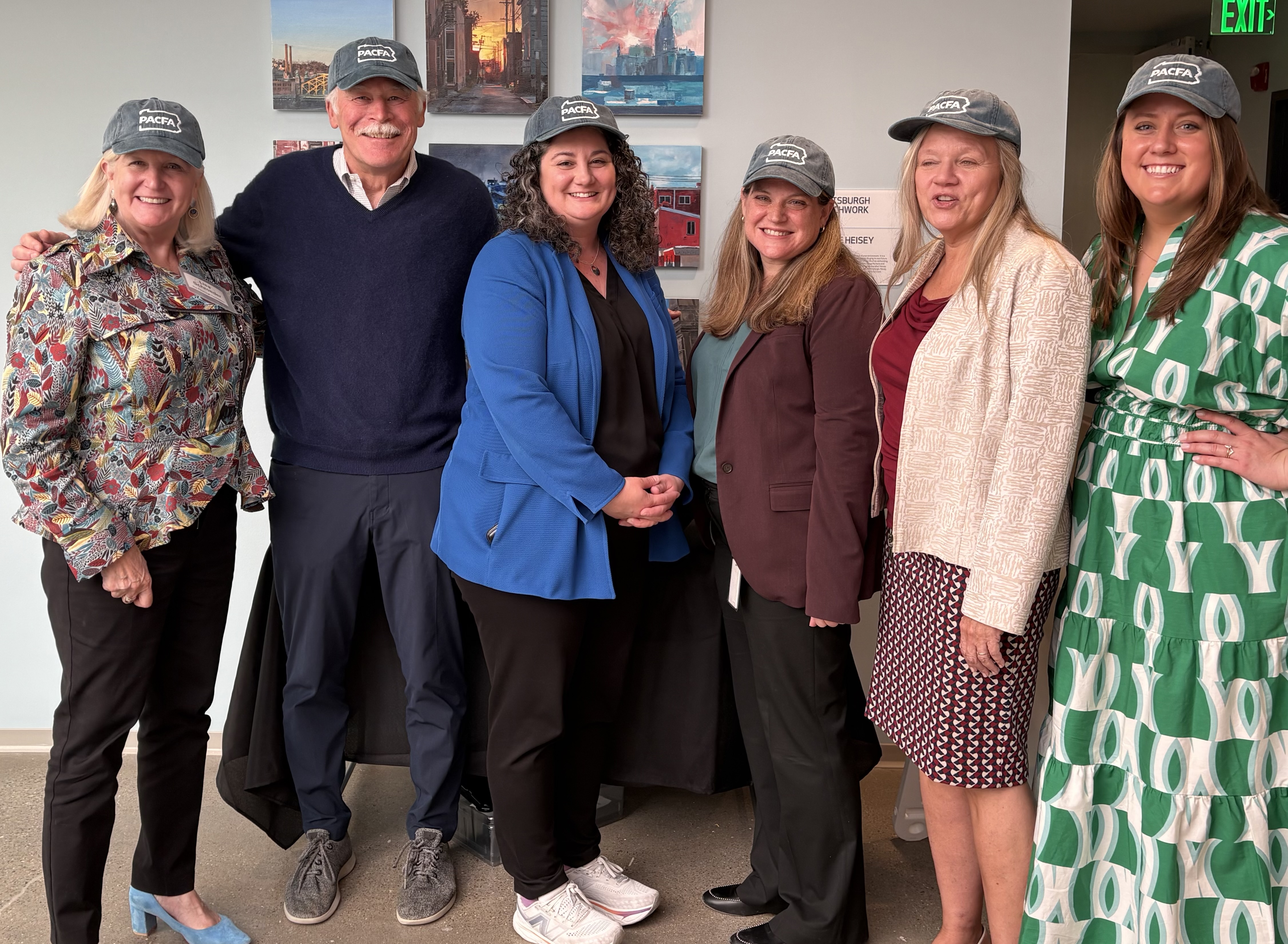
The collaborations began in 2021 with a campaign to prohibit public higher education institutions from reducing their financial aid when students receive scholarships from community foundations or other private entities. With support from the newly formed Pennsylvania Community Foundation Association (PACFA) and working with the state’s association of registers of wills, several foundation CEOs took the lead on organizing the drive. These spanned the gamut of newly hired executives and others who’d been on the job for 30 years. Some were policy veterans with advocacy experience; others were novices.
“At the end of the day, those folks all got together around an issue, but they were coming to it from different places.” Ralph Serpe, President and CEO of the Adams County Community Foundation
The effort united Republican- and Democratic-leaning areas — something that legislators noted. PACFA runs webinars, conferences, and training to help executives build relationships and find common ground.
“To act collectively, you have to know each other, like each other, and trust each other. It's not rocket science.” Mike Batchelor, PACFA president.
The Power of Partnerships
Not all PACFA members sign on to every advocacy campaign. “Action teams” are created to spearhead efforts and mobilize interested colleagues.
While larger, urban foundations dedicate resources and sometimes staff to advocacy, they have discovered new power in partnerships with small, rural grantmakers whose leaders often have close ties to state lawmakers. “I live across the street from the state senator in our area,” Moulin says.
When community foundations secured a legislative tweak that increased affordable housing funding, CEOs of several small foundations won support from key lawmakers in rural areas, says Phil Koch, Vice President for Policy and Community Impact at the Pittsburgh Foundation. “They see them at the soccer field and the farmer's market, so they tend to have a very close relationship.”
This lesson extends well beyond the state capital: Foundations that invest in relationships across geographic and cultural divides can discover influence none could have achieved alone.