A Homegrown Solution for Rural Food Access
In the small farming and ranching communities of northeastern North Dakota, high school sports bring the whole town out. Teachers know every student by name. And when a grocery store closes, the whole community feels it.
That's what happened in Fordville when its grocery store shut down. It wasn't alone. North Dakota had been losing grocery stores for years—roughly 20% in a five-year span. For small towns already barely holding on, the grocery store was more than a place to shop—it was what kept daily life possible.
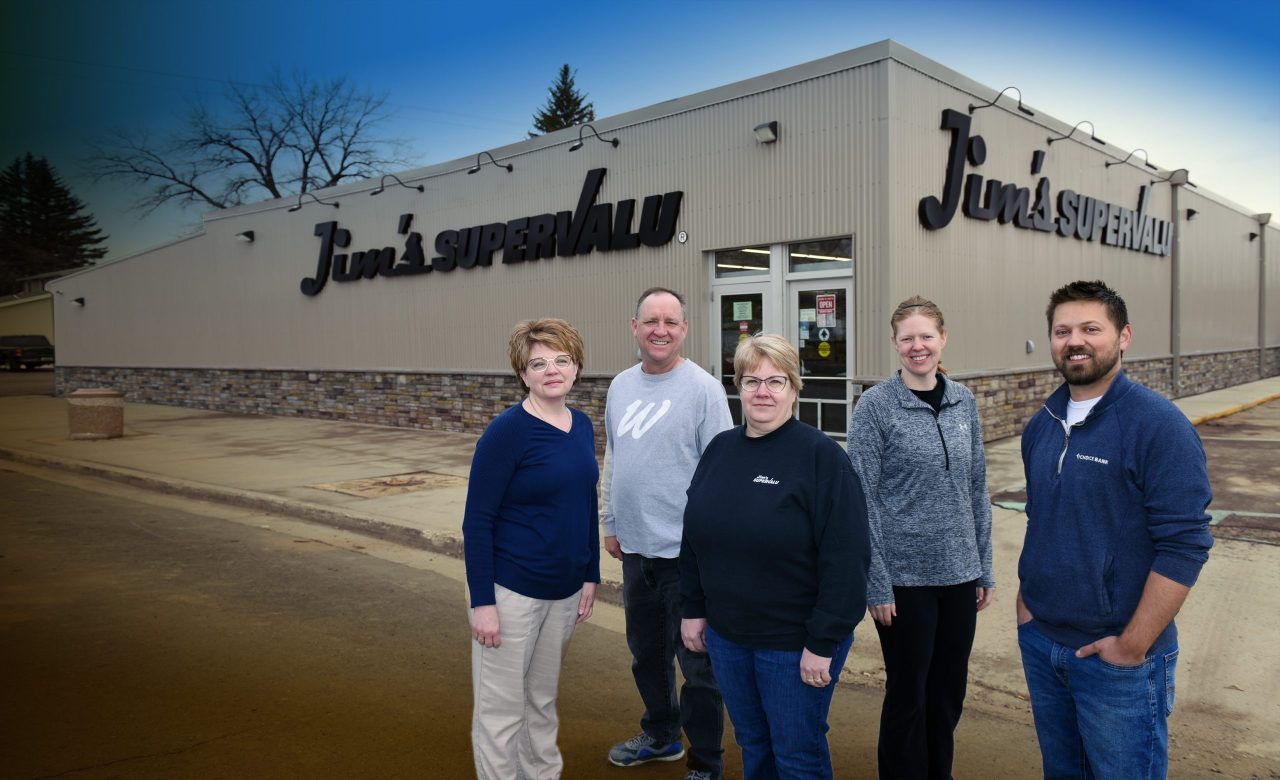
"In order to keep families in your town, you need to have access to food," said Lori Capouch, director of rural development for the North Dakota Association of Rural Electric Cooperatives (NDAREC).
How a Community Found Its Answer
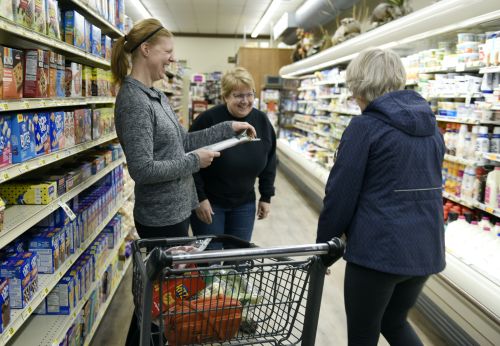 The solution didn't come quickly. As early as 2014, NDAREC started hearing from rural grocery store owners who were struggling with wholesale costs too high to compete and customer bases too small to sustain. Capouch and her colleagues formed a task force, surveyed grocers across the state, and started connecting people who had been working through the same challenges in isolation.
"Stores were quietly closing, feeling the failure on their own," Capouch said, "believing it was something they had done wrong, rather than understanding it was changes in the industry that was forcing out small retailers. It's powerful to have the data and to be able to connect the narrative in a way that inspires people to try something new."
In 2015, community members and grocery store owners gathered at the first North Dakota Rural Grocery Summit. The conversation that started there would eventually become the Rural Access Distribution cooperative—RAD.
How It Works
Launched in 2020 with a $200,000 Bush Foundation Community Innovation Grant and support from a coalition of local and regional funders, RAD brought together three grocery stores and community leaders from two towns without stores across five northeastern North Dakota communities: Park River, Hoople, Edinburg, Adams, and Fordville.
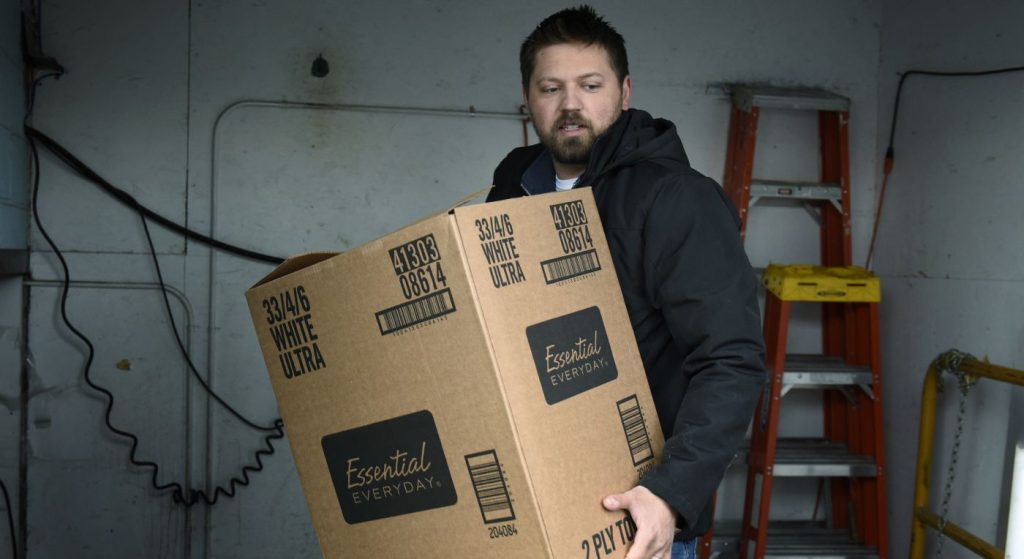
The cooperative pools the purchasing volume of all three stores to negotiate better wholesale prices—the same advantage big-box retailers have long enjoyed. Together, they set out to bring online grocery ordering to all five communities through a shared online store—a convenience deeply meaningful to rural shoppers.
In Adams and Fordville, the two towns without stores, climate-controlled grocery lockers receive deliveries that residents can retrieve with a code—a practical solution that keeps food accessible without requiring a full store. The cooperative has also stepped up when the community needed it most: when local school districts lost their food distributor, RAD stepped in to deliver food and milk directly to schools.
"This is a great opportunity for our small communities," said Diana Hahn, who owns Jim's SuperValu in Park River and serves on the RAD board. "Not every community is large enough to have a full-service grocery store, so even if there's only a small convenience store in your town, this model could work."
A Model Worth Replicating
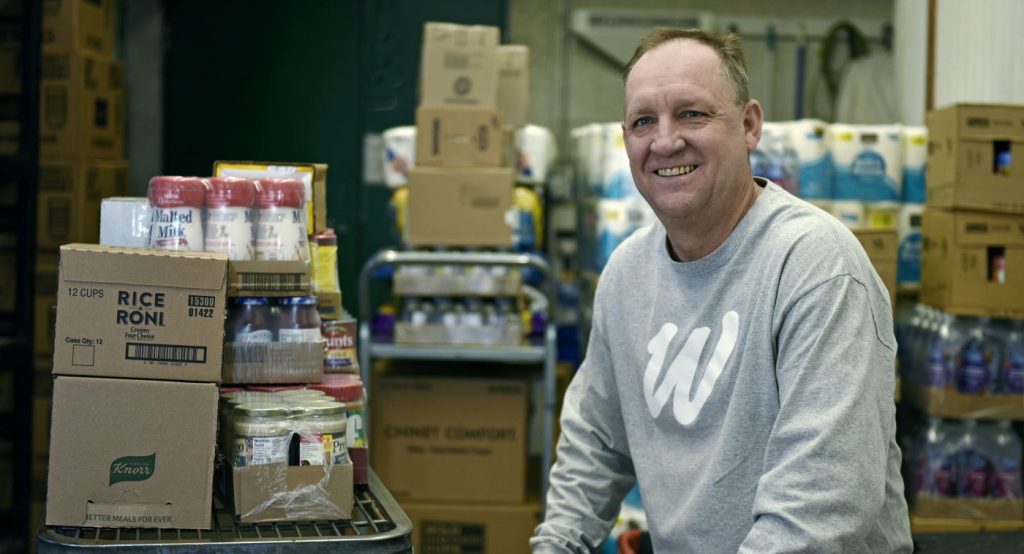
RAD is still operating and growing and cooperative members presented at a state health department forum as recently as July 2025. Communities in other states are already exploring whether the model could work for them too.
What started as a local problem in Walsh County, North Dakota, has become a blueprint that other rural communities are watching closely. When small towns work together, they find that what they can build is more than any of them could manage alone.
Generosity Builds is a storytelling initiative from the Council on Foundations highlighting the ways charitable foundations show up as a nonpartisan force for good in our communities — from scientific breakthroughs to community childcare, veterans support, and disaster relief.