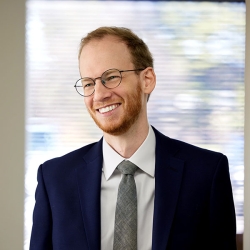
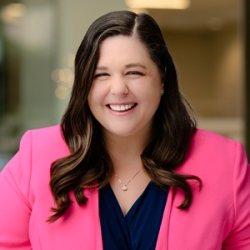
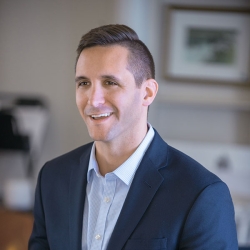
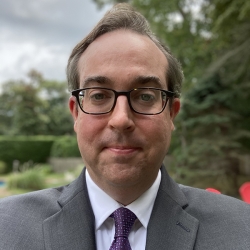
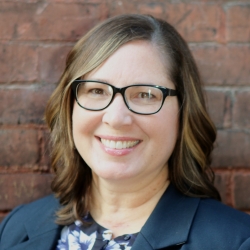
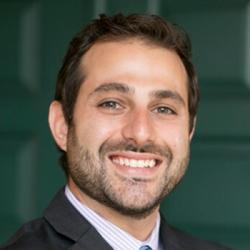
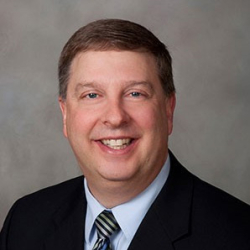
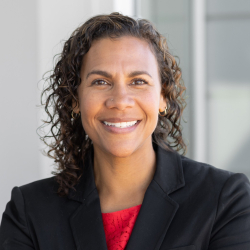
Led by Council on Foundations staff with collectively decades of experience with global philanthropy, the Global Grantmaking Essentials will also feature guest speakers with deep knowledge on specific issues or countries.
Course Hours
- Tuesday, April 7: 1-5 p.m. ET
- Thursday, April 9: 1-5 p.m. ET
- Tuesday, April 14: 1-5 p.m. ET
This training will be conducted live on Zoom and is designed for meaningful participation. Each session offers opportunities to engage directly with peers and content, so we ask that you plan to be fully present and minimize distractions where possible
To protect privacy, sessions will not be recorded. The course consists of three four-hour sessions, each with two scheduled breaks. Please plan to join all three sessions and take part actively throughout.
About Global Grantmaking Essentials
The Global Grantmaking Essentials course is built on the Council’s more than 40 years of experience in supporting foundations who work and grant internationally.
This three-day training will provide attendees with a thorough understanding of the regulatory frameworks governing global grantmaking, offer tools and resources to help navigate these complex systems, and suggest better ways of operating internationally based on trends, data, and research.
Global Grantmaking Essentials also includes time for networking and discussion based on the type of grantmakers in attendance, providing unique space for dialogue and reflection among peers.
Who Should Attend
This training is designed for grantmaking, program, or legal staff at U.S.-based foundations who are new to global grantmaking or seeking additional tools. It is open to staff and Board members from independent, family, corporate, community, and public charity foundations, including global intermediaries.
Please note: the course is limited to foundation staff and Board members. While open to participants from outside the U.S., the content is focused on U.S. law and its impact on global grantmaking.
Participants will explore the following during the course:
- Introduction to global grantmaking
- Legal basics: equivalency determination and expenditure responsibility
- The alphabet soup of global regulations
- Navigating country laws
- Working with intermediaries
- The current policy landscape: foreign aid, investigations, and what’s next
Group Rate
Trainings are designed to be taken individually at a personal workstation, not in a group setting. Registration rates are per person. Group rates are for Council Members that send 5-7 people from one organization, each person must be registered individually to attend. Email educate@cof.org to register a group.
Cancellation Policy
All registration cancellations must be submitted in writing to educate@cof.org. All cancellation refunds before March 7, 2026 will incur a 25% administrative fee per registration. No refunds will be provided after March 7, 2026.